Investing/Development for Sale Zona Agua Dulce
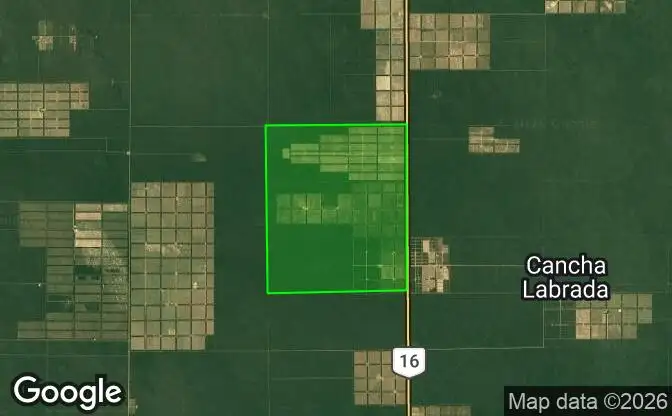
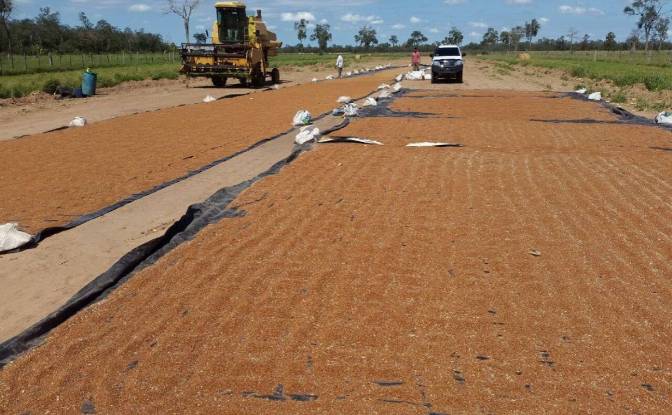
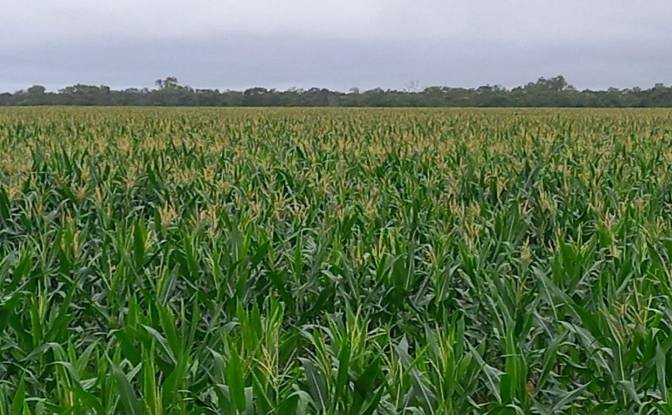
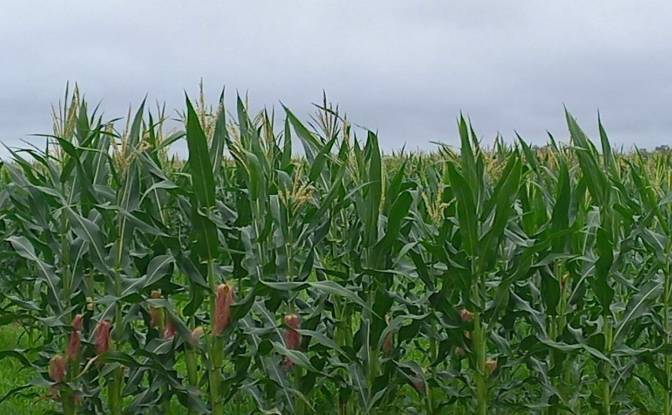
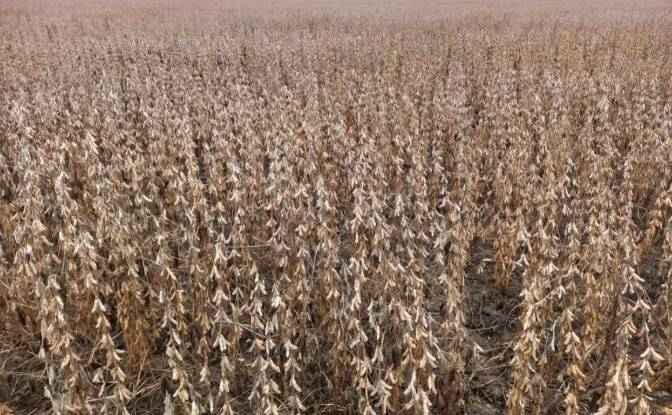
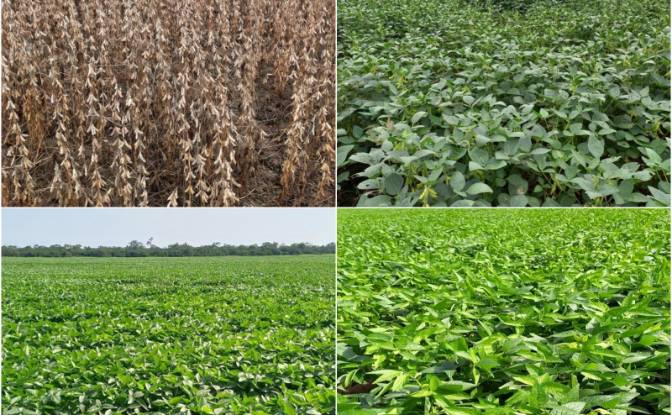
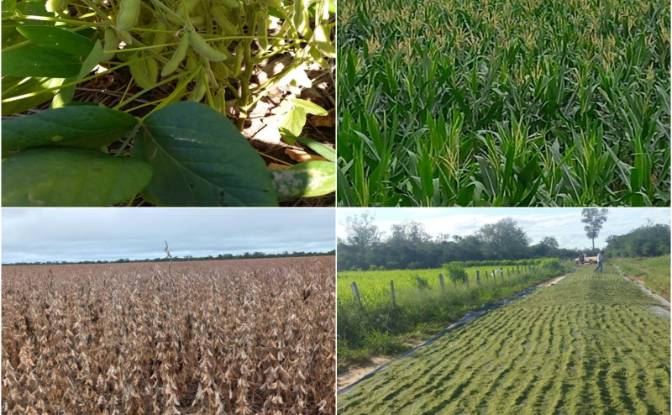
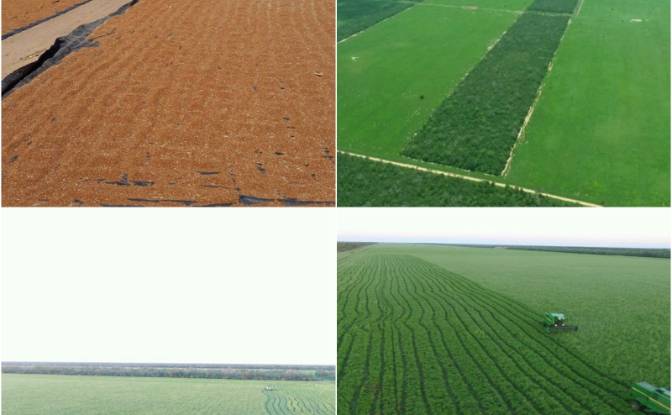
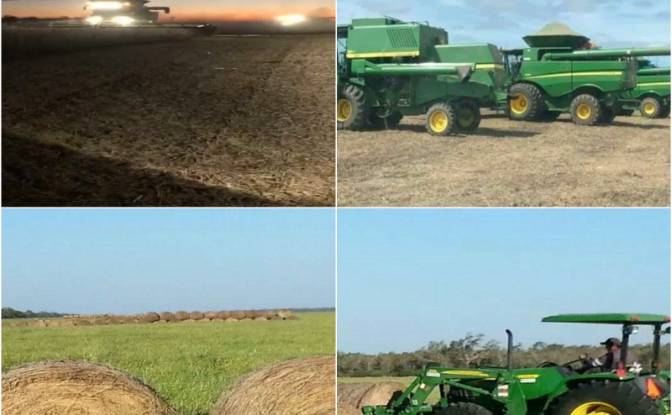
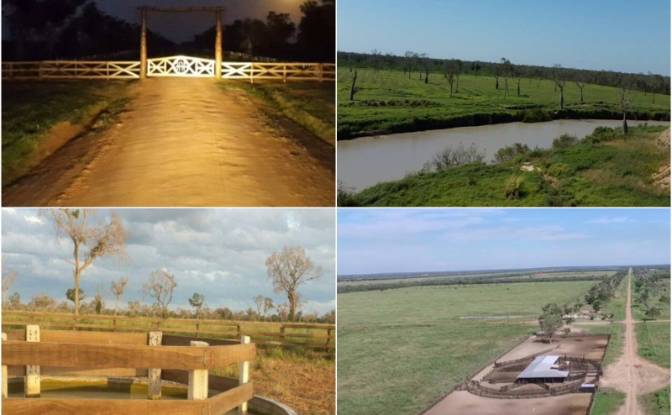
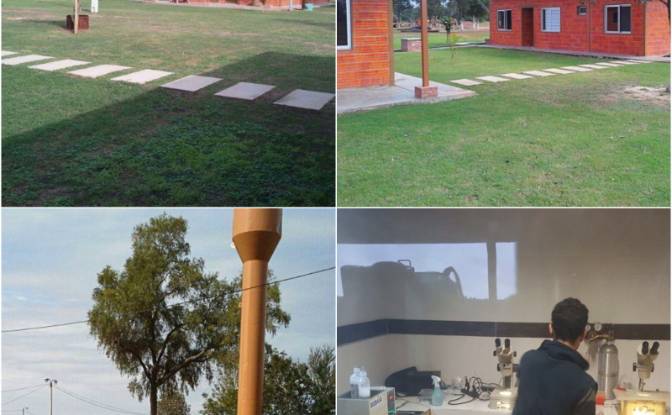
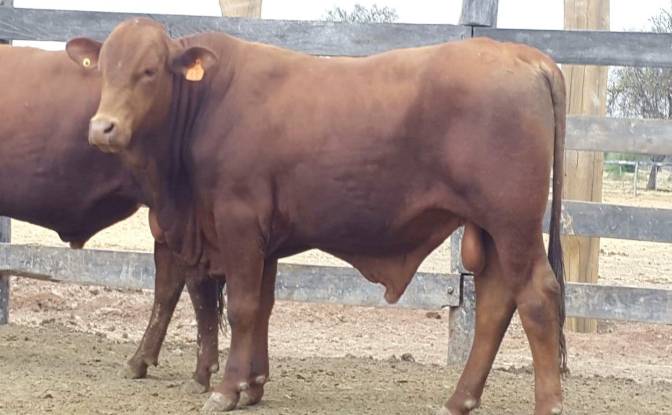

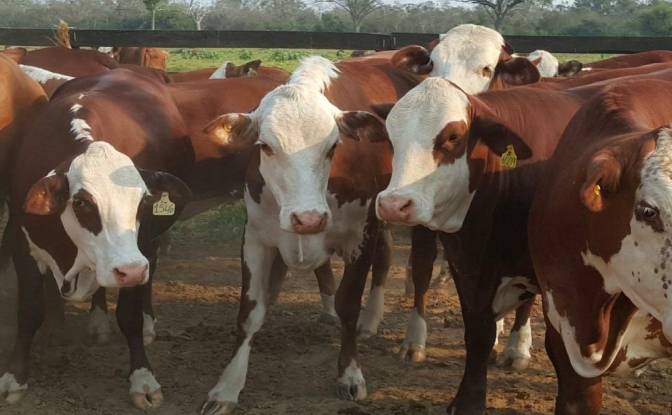
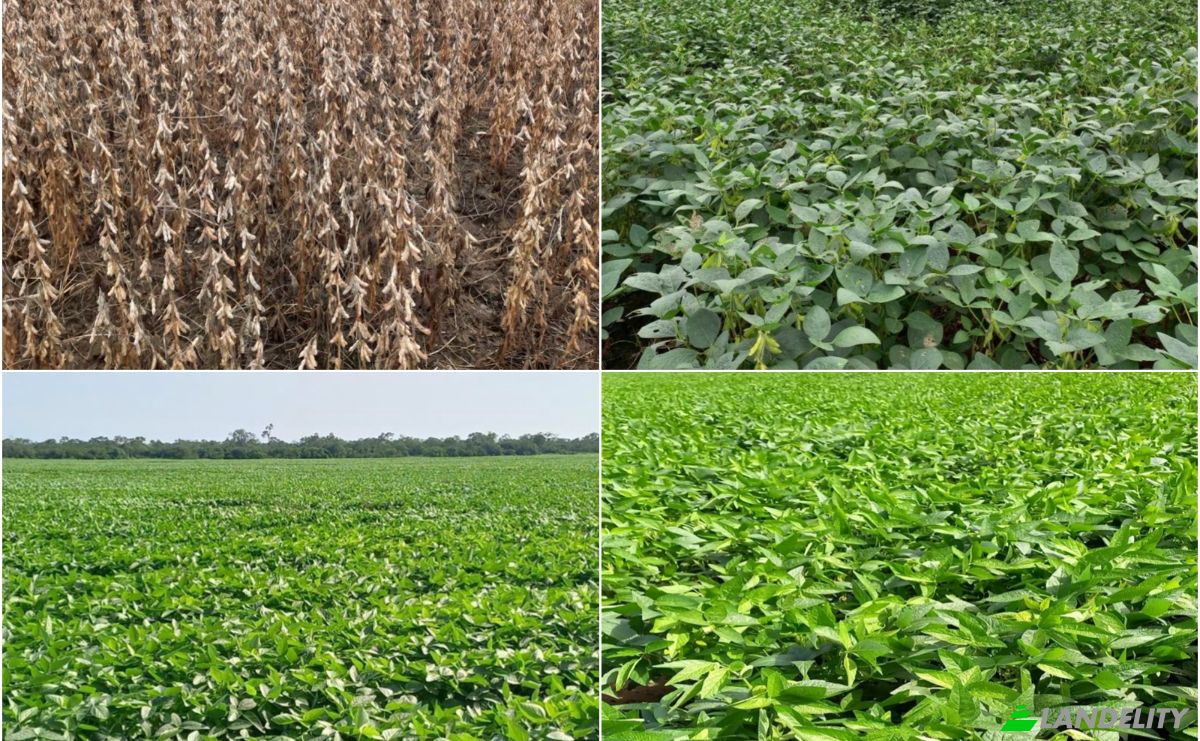
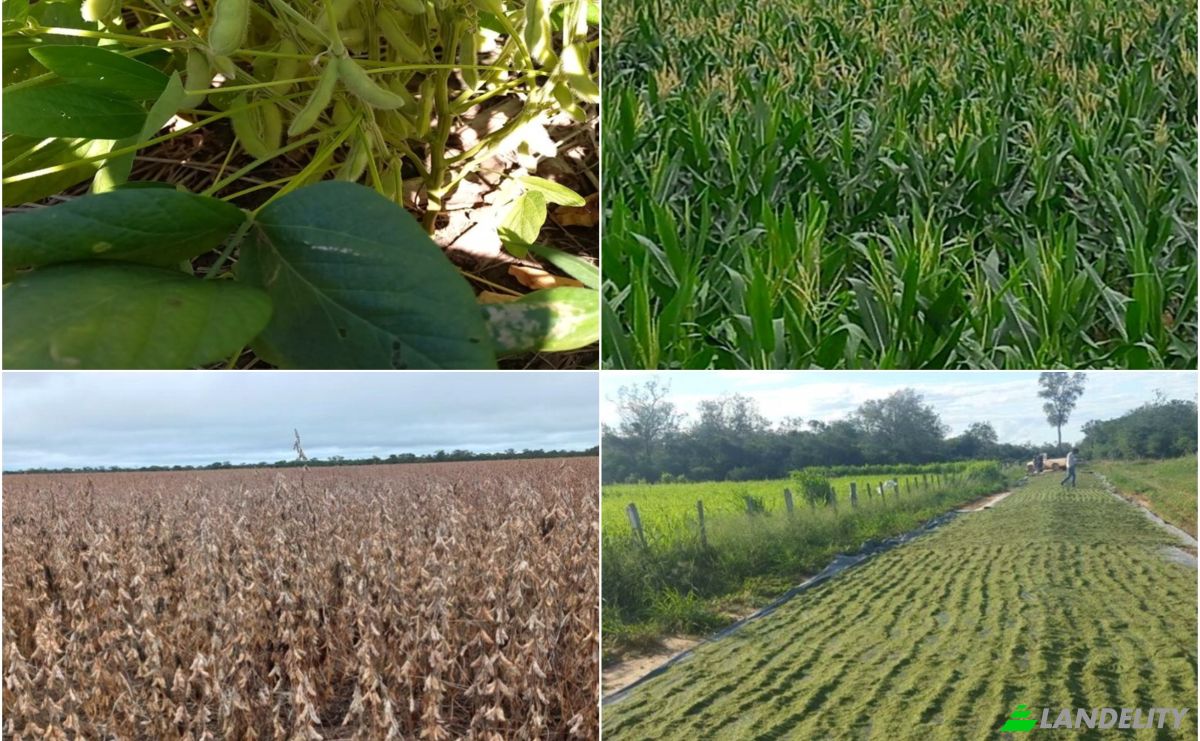
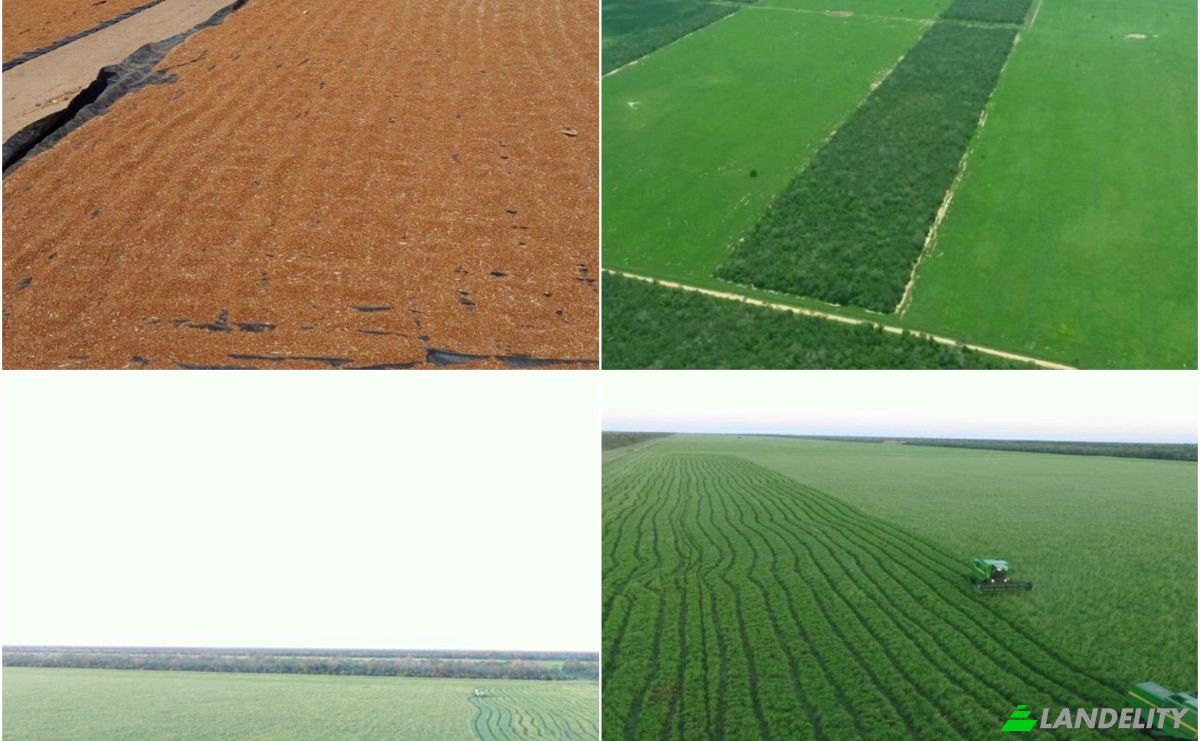
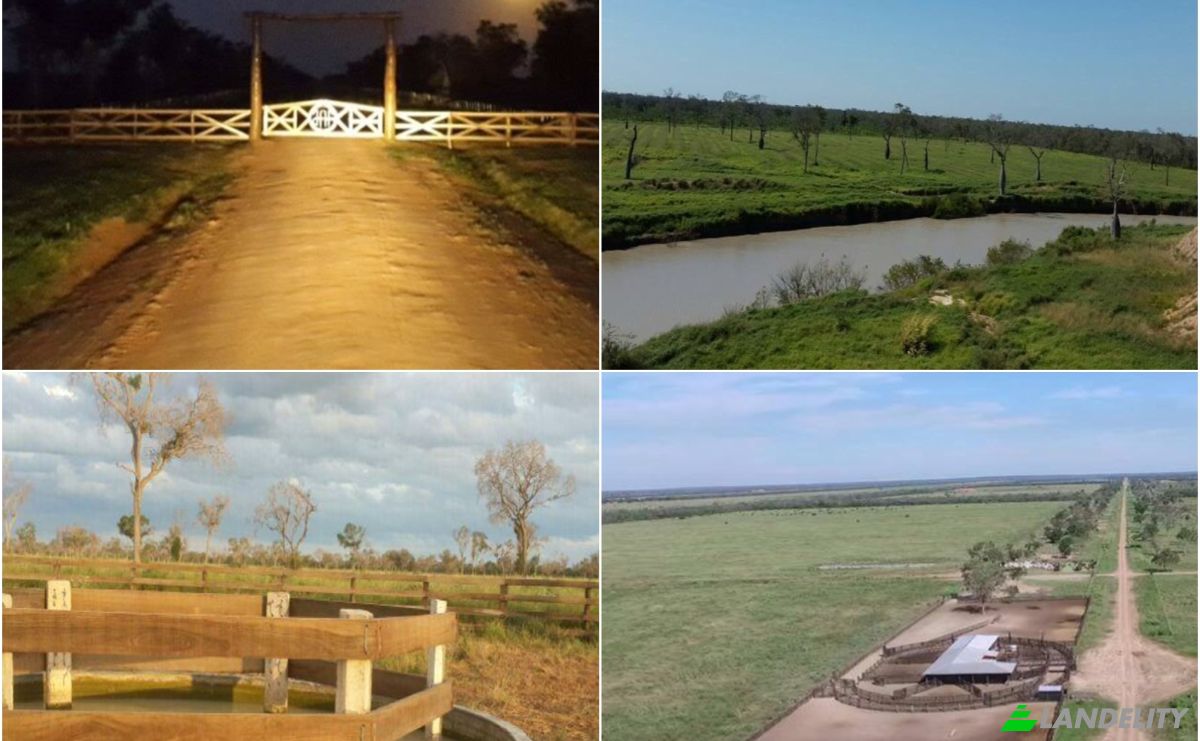
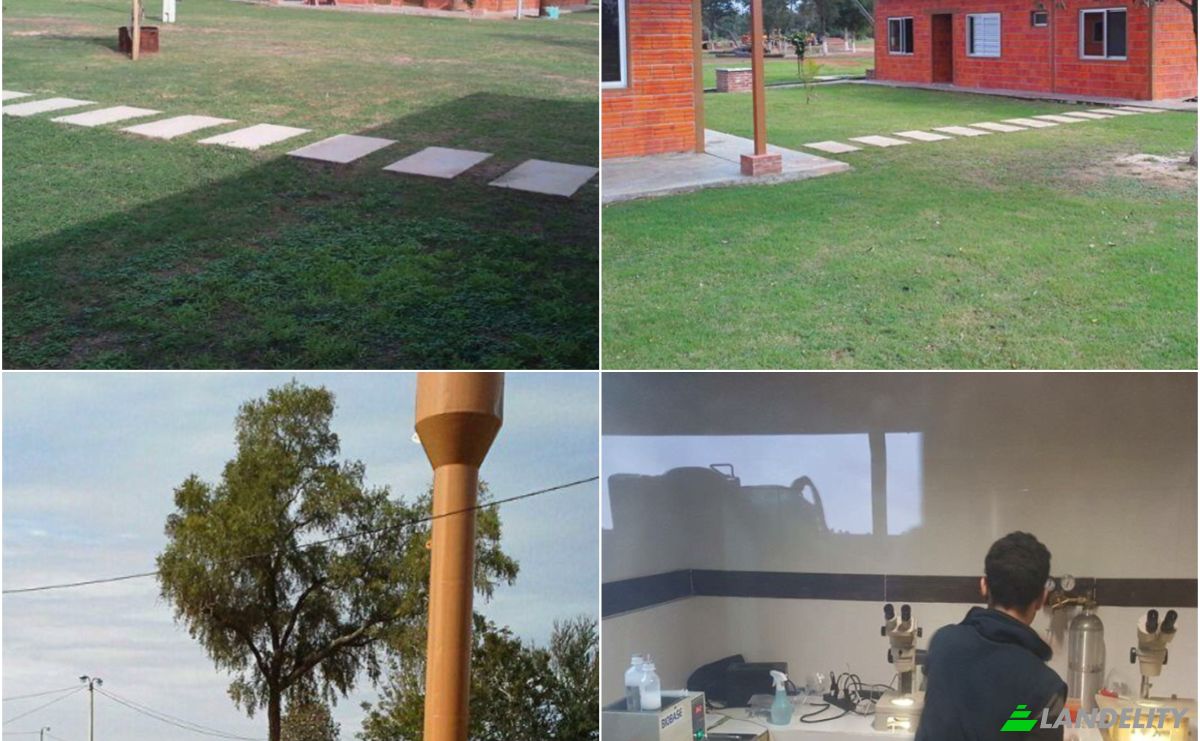
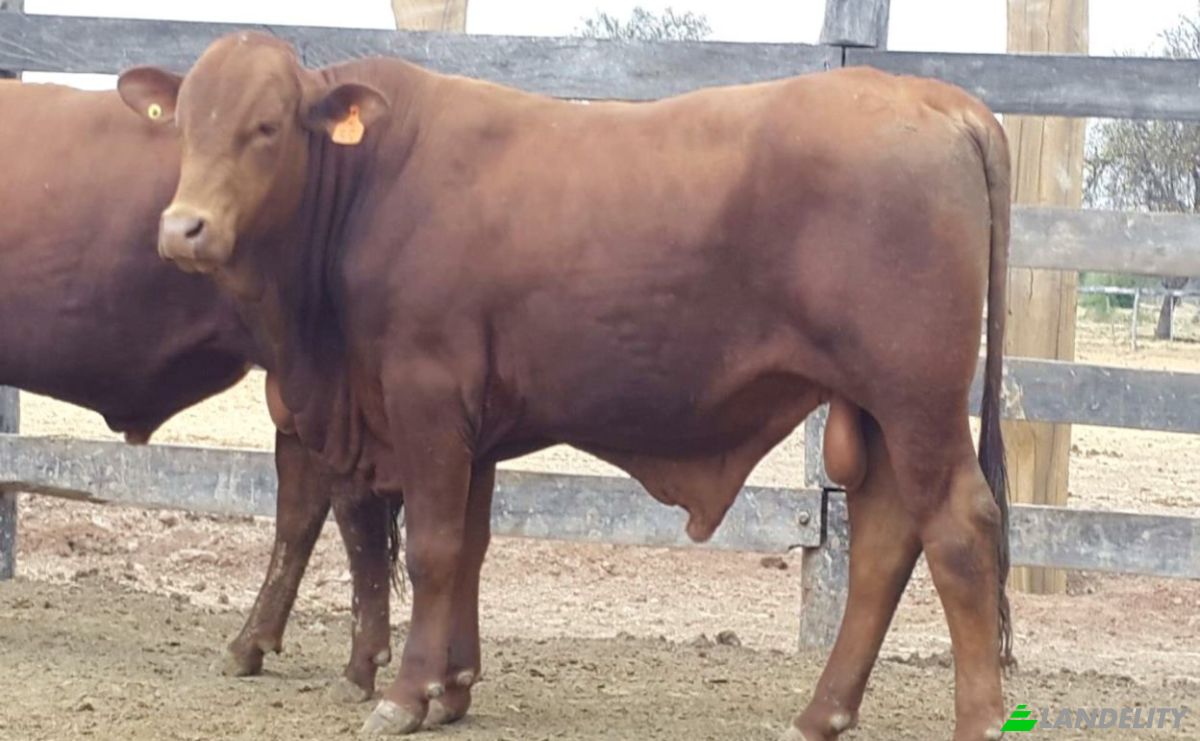
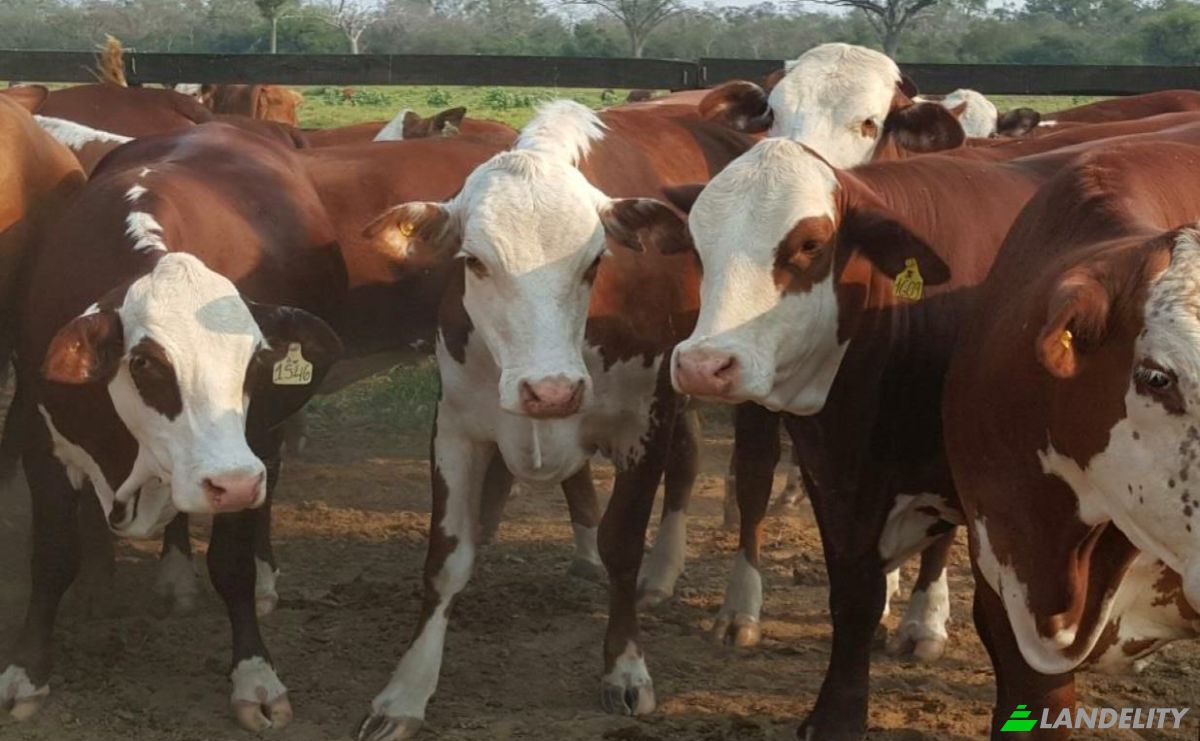
RANCH IN AGUA DULCE 12,000 HECTARES The ranch began in 2003 with the owner's decision to invest in land for agricultural and livestock production, after having traveled to various locations and areas of the Paraguayan Chaco and concluding that some of the best land in the region was located where he decided to invest. This was confirmed by the agronomic specialists from different soil and climate research and prospecting entities, who stated that in this area there is a 250,000-hectare block of land with excellent topographical characteristics and mineral resources for both livestock and agriculture, and that this agricultural and livestock establishment is located within that block. Then, in 2004, a corporation was established, incorporating the ranch as its main asset. SIZE: 12,000 (twelve thousand) hectares, which have been developed based on a well-studied productive project and under the authorization of the competent environmental authorities SEAM (Secretariat of the Environment) and INFONA (National Forestry Institute) in accordance with environmental impact regulations. The current development covers 5,200 hectares, with the potential to reach 7,200 hectares, according to the renewed and valid permit from the aforementioned authorities. LOCATION: AGUA DULCE, Alto Paraguay Department – Chaco Region SOIL TYPE – TOPOGRAPHY: The soils belong to the Luvisol group, with a silty clay texture in the lower areas and sandy loam in the higher areas. They are grayish-brown in color and have very high fertility. The terrain is completely flat. Deciduous forest vegetation with a predominance of trees such as white quebracho, red quebracho, palo santo, and coronillo. The forest reaches a height of 10-15 meters. RAINFALL REGIME – PLUVIUS The area receives the most rainfall during the spring, summer, and part of autumn, from October to May (8 months), with rainfall ranging from 50 mm per event to 200 mm, resulting in a cumulative total of 1,000 mm and a monthly average of 125 mm. During the winter period (4 months) from June to September, there are few, sporadic, and low rainfall amounts (10-20 mm). Statistical records from the last 12 years, kept by the ranch administration, show an annual average of 980 mm. PRODUCTION INFRASTRUCTURE: The infrastructure used for production is located on: ➢ 3 farms of 4,000 hectares each, totaling 12,000 hectares. The carrying capacity of the pastures is 1.8 AU (animal units of 400 kg) per hectare. The following has been developed on this land: ➢ 5,200 hectares of developed area comprising pastures, protection strips, internal roads for livestock management, and watering points with their corresponding distribution system, the details of which are listed below: ➢ 78 paddocks of 55 hectares on average each, with pastures of the Gatton Panic and Tanzania varieties, with their protection strip. ➢ Alley 40 South with 56 hectares subdivided into 7 plots of 8 hectares each, silvopastoral system. ➢ Alley 40 North with 48 hectares subdivided into 6 plots of 8 hectares each, silvopastoral system. ➢ 41 corrals of 785 m² each, with sawn timber fencing measuring 2x6”x 2.50 meters long, with gates and 12mm thick hooks. ➢ 200 km of fencing with quebracho and palo santo posts every 5 meters and 3 balancers between the posts. ➢ 21 dams with a total capacity of 515,000 cubic meters of water, or 515 million liters of reserve. ➢ 11 Australian tanks with a base of 75 meters and a height of 14 meters, with capacities of 6 billion liters, or 6,000 m³. ➢ 2 artesian wells, 305 and 205 meters deep, respectively, with 7.5 hp pumps. 2” vacuum pipe with galvanized tubing, pumping capacity of 12,000 liters/hour and 8,000 liters/hour, respectively. ➢ 2 wooden sheds for housing the pump generators, measuring 4.50m x 4.50m (20.25m²). ➢ 120 hectares of undulating water catchment areas with channels and wired retention basins. ➢ 41 drinking troughs of 10,000 liters each. ➢ 4 drinking troughs of 5,000 liters each. ➢ Central corral made of sawn timber with logs, chute, headgate, 8 separating pens, 2 resting areas, drinking troughs, laboratory, bathroom, covered chute, loading ramp. Capacity for 2,000 head of cattle per day. ➢ One raised main road, 16 km long and 20 m wide. ➢ One main road to the farm building, 2 km long and 10 m wide. ➢ Two parallel raised internal access roads, 10 km long and 8 m wide. ...more information available upon request